
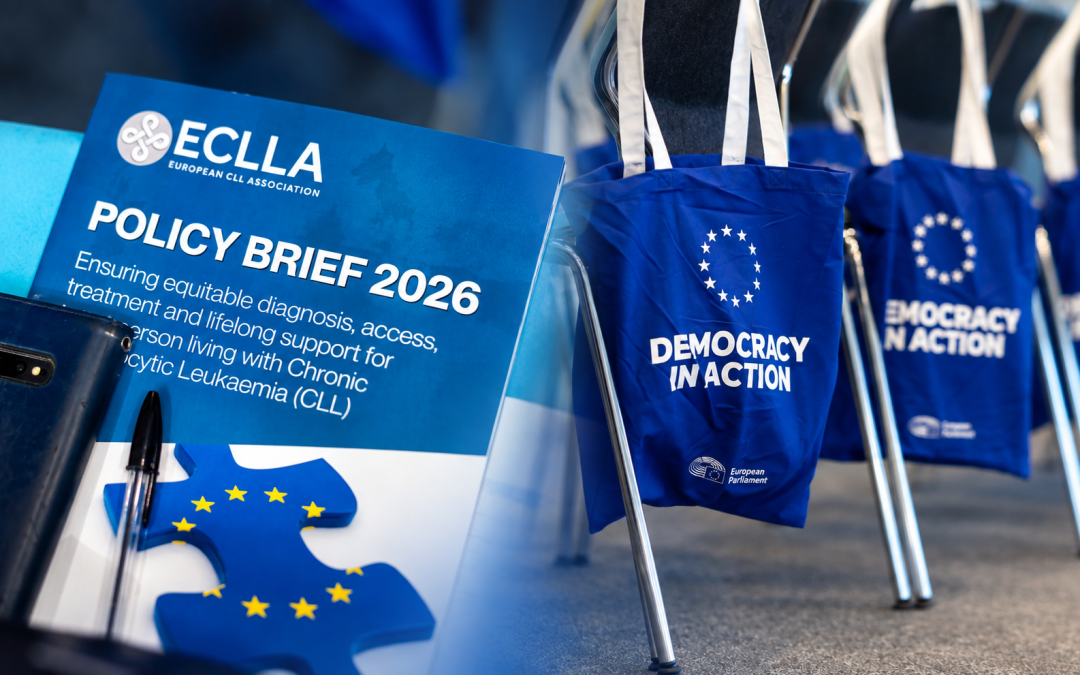
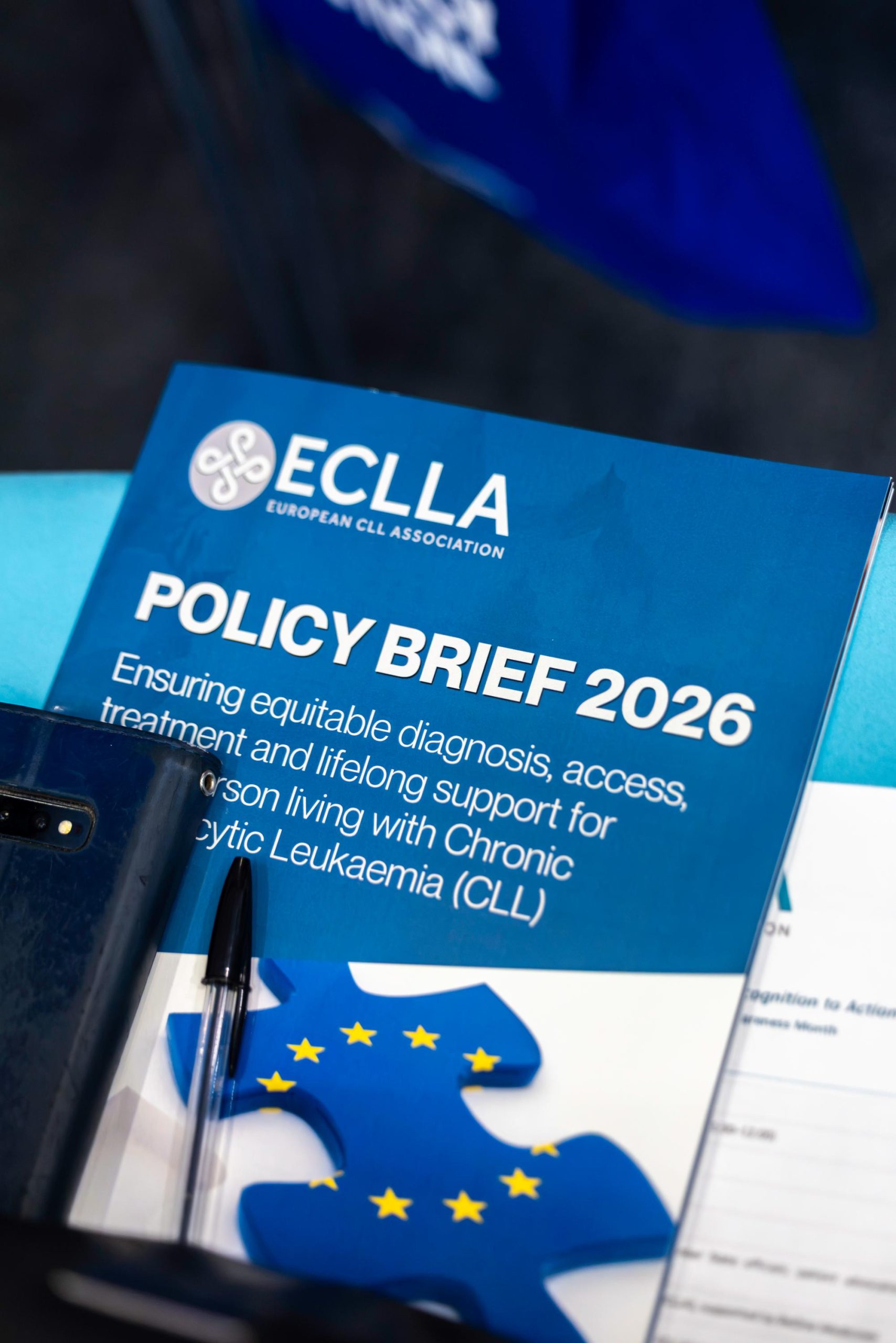
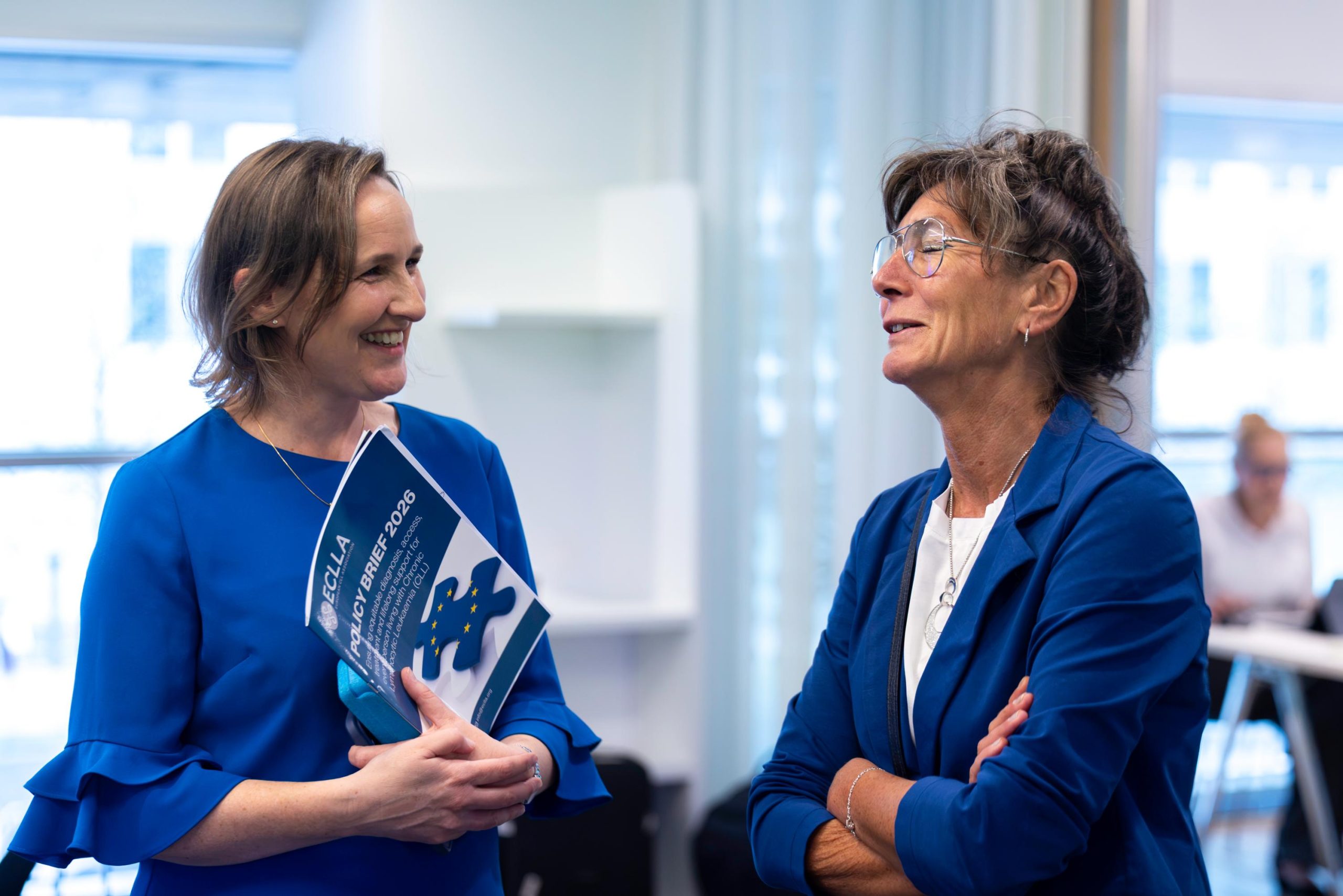
The European CLL Association (ECLLA) has published its European Policy Brief 2026, setting out key priorities and recommendations to help address inequalities in chronic lymphocytic leukaemia (CLL) care across Europe.
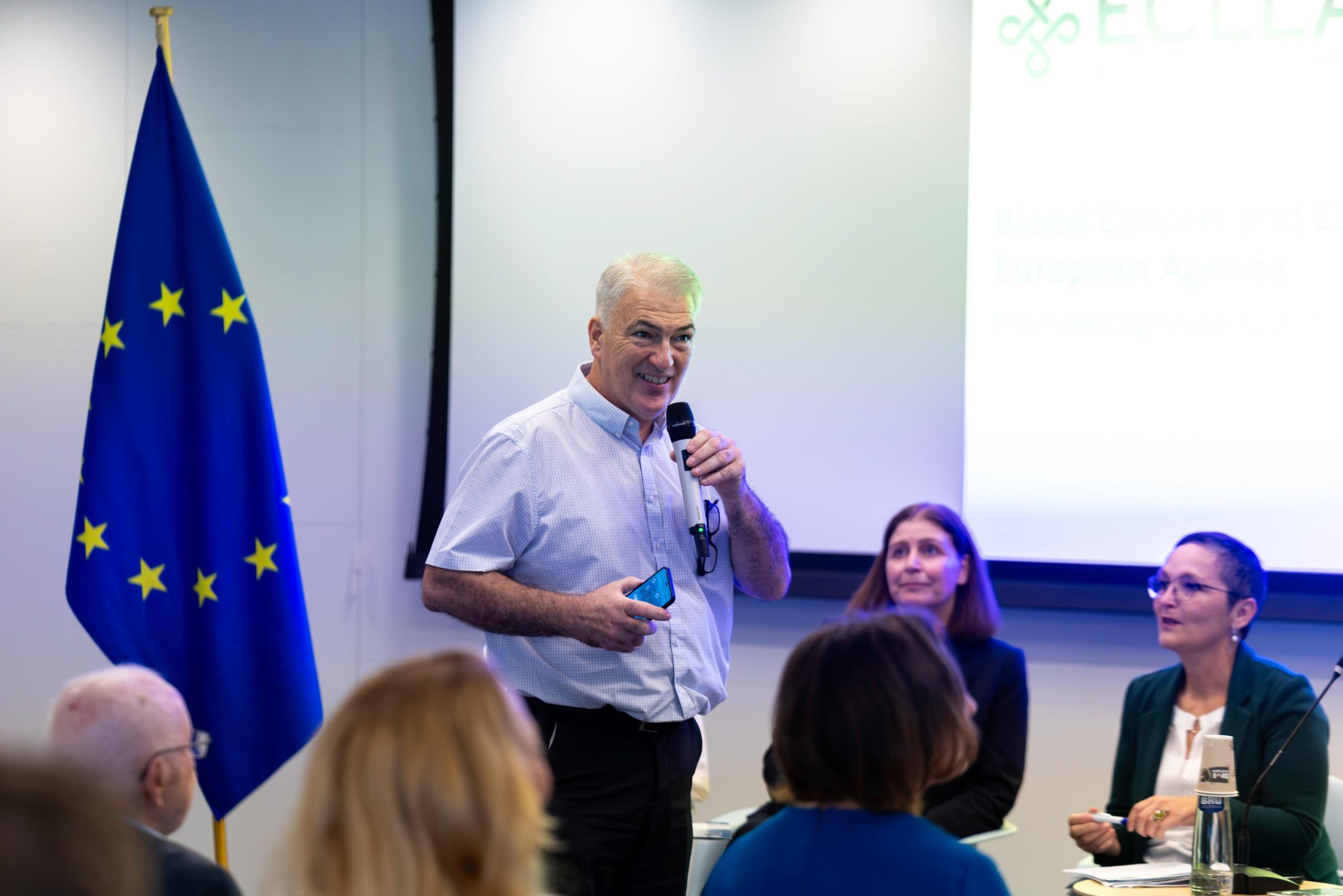
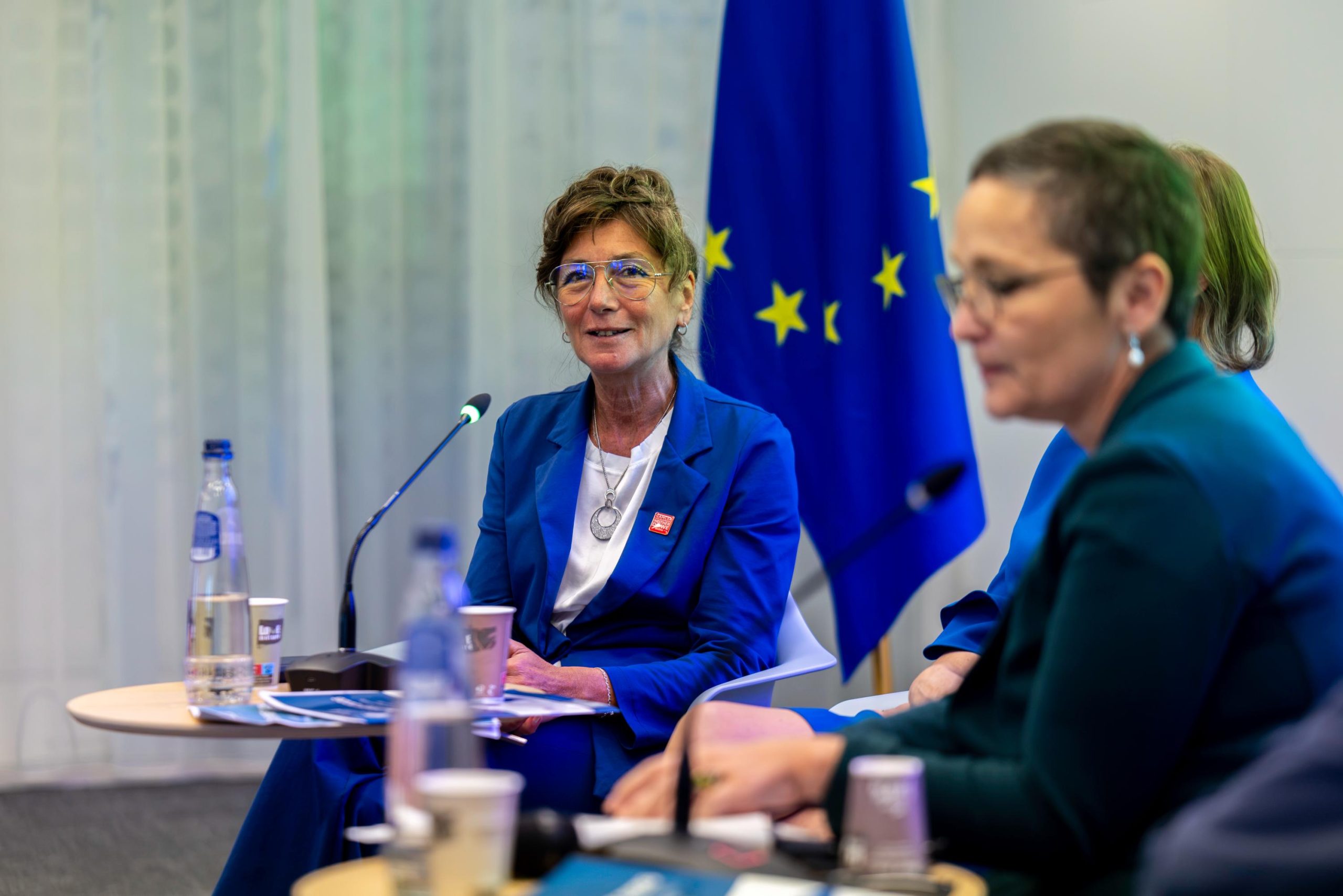
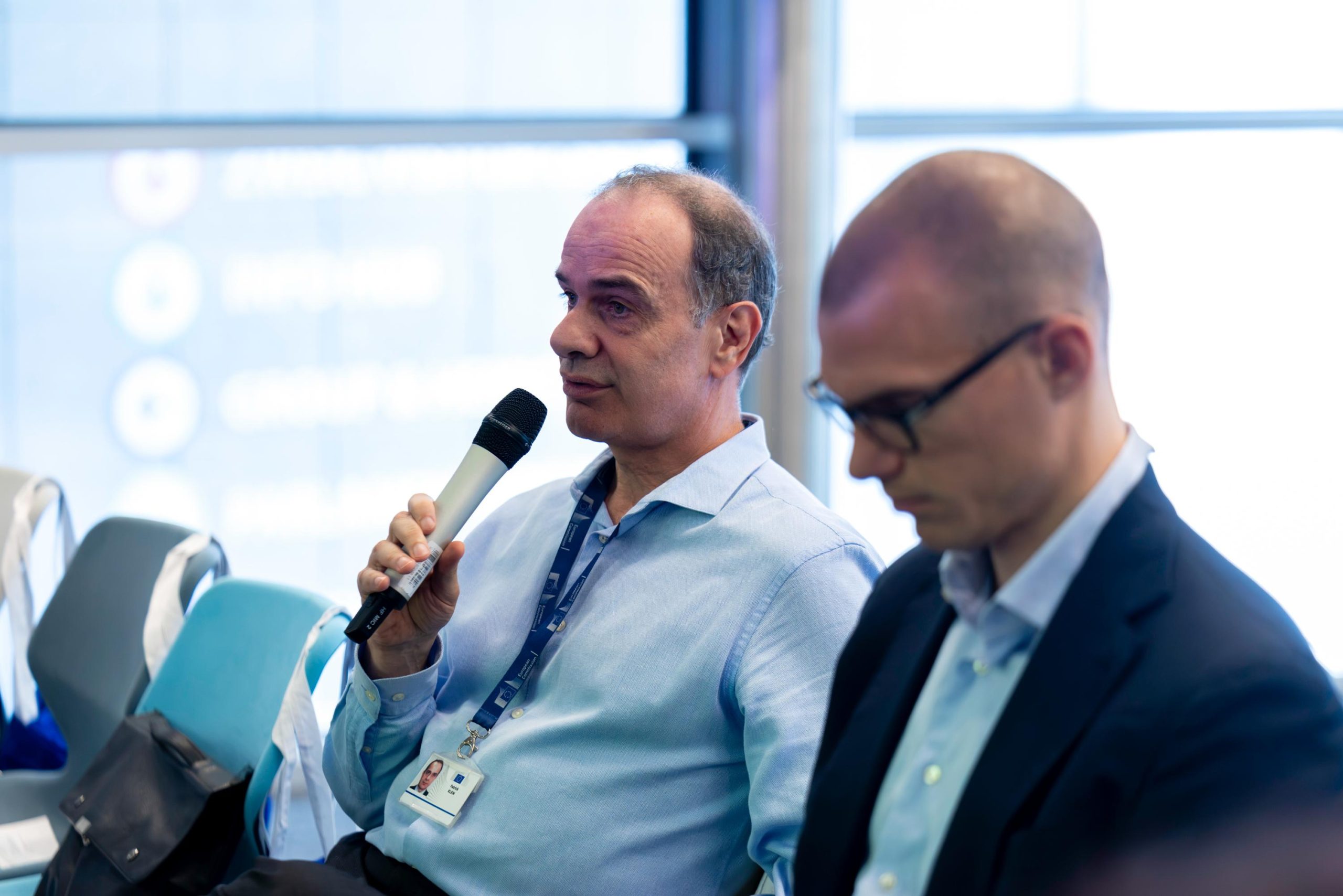
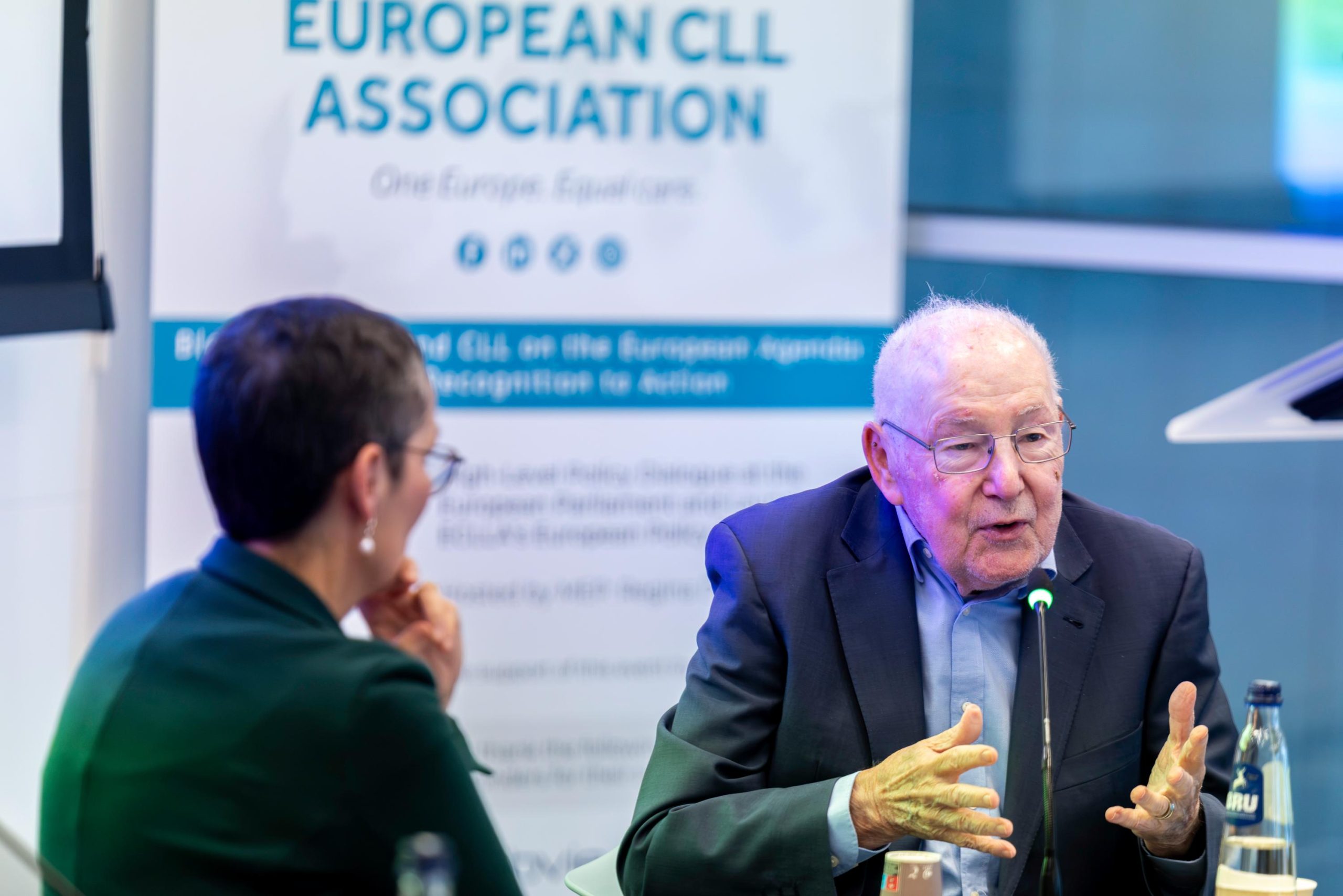
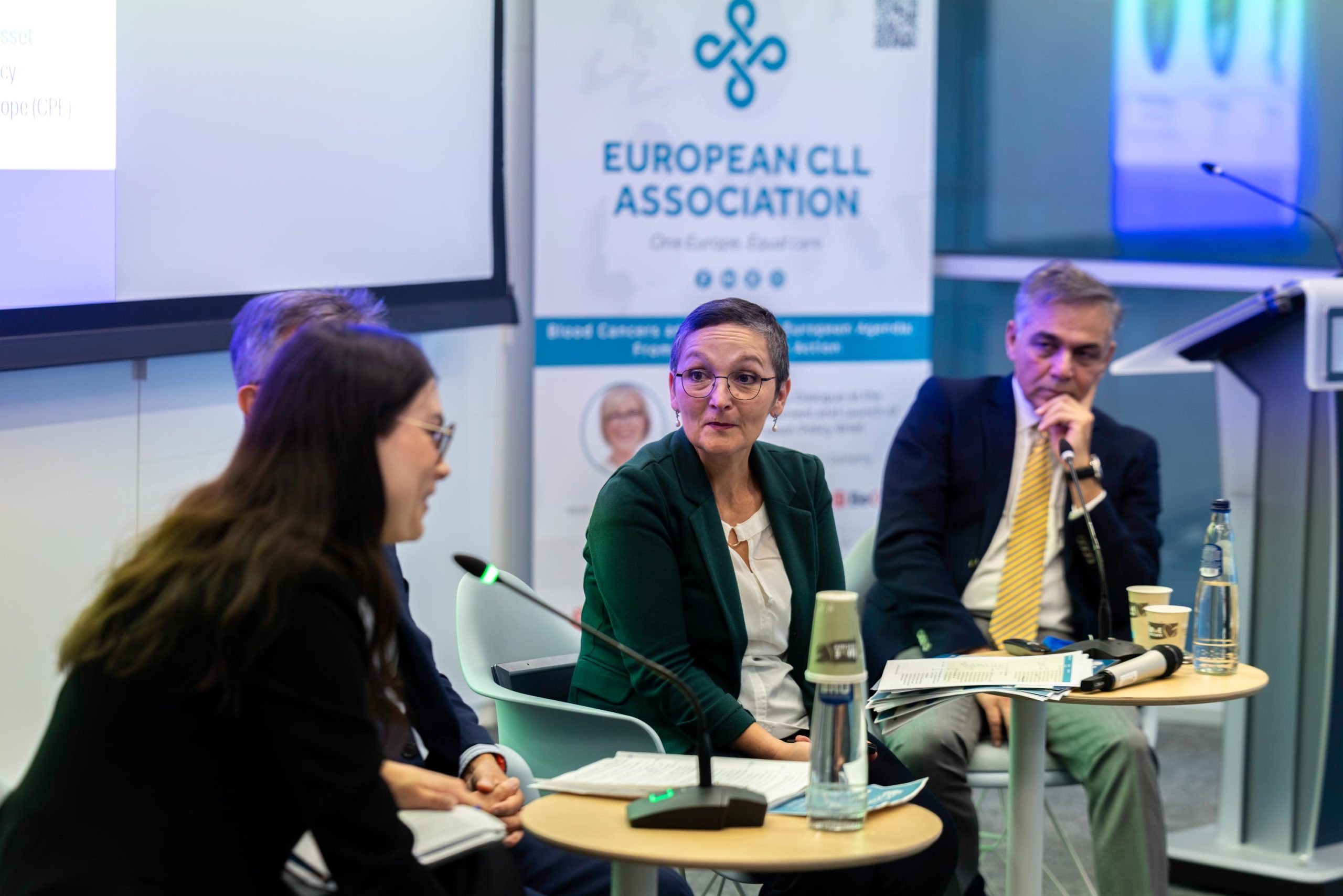
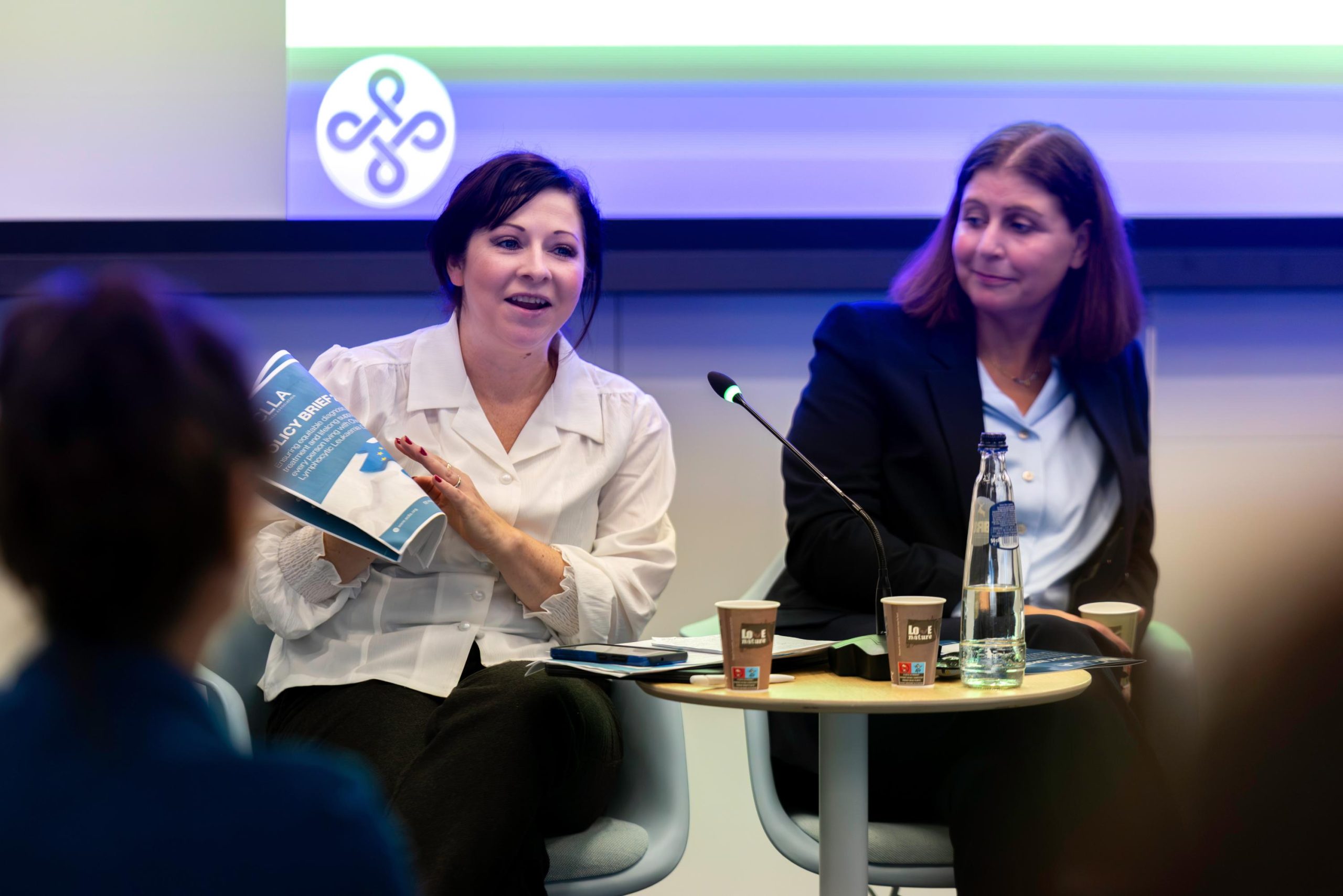
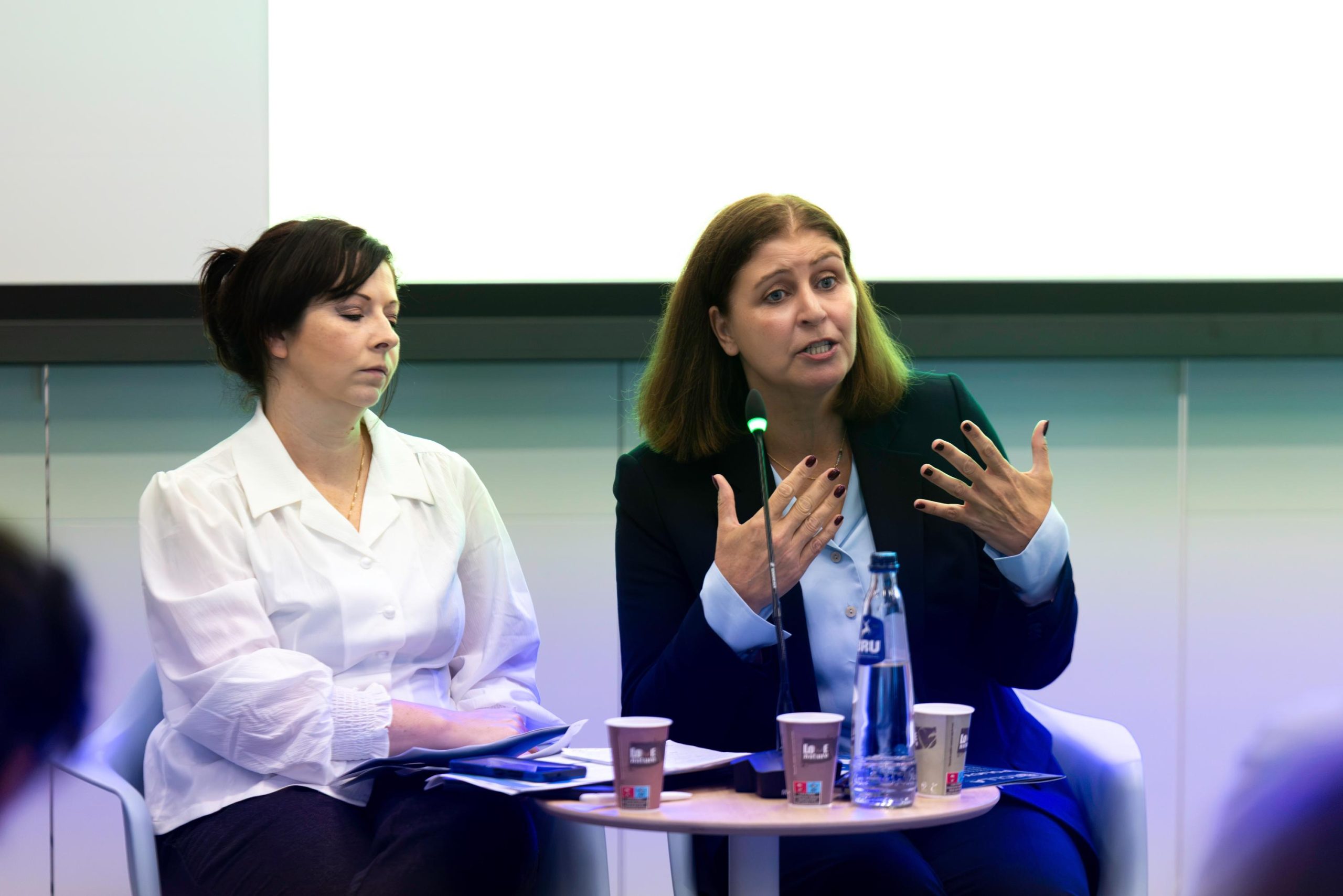
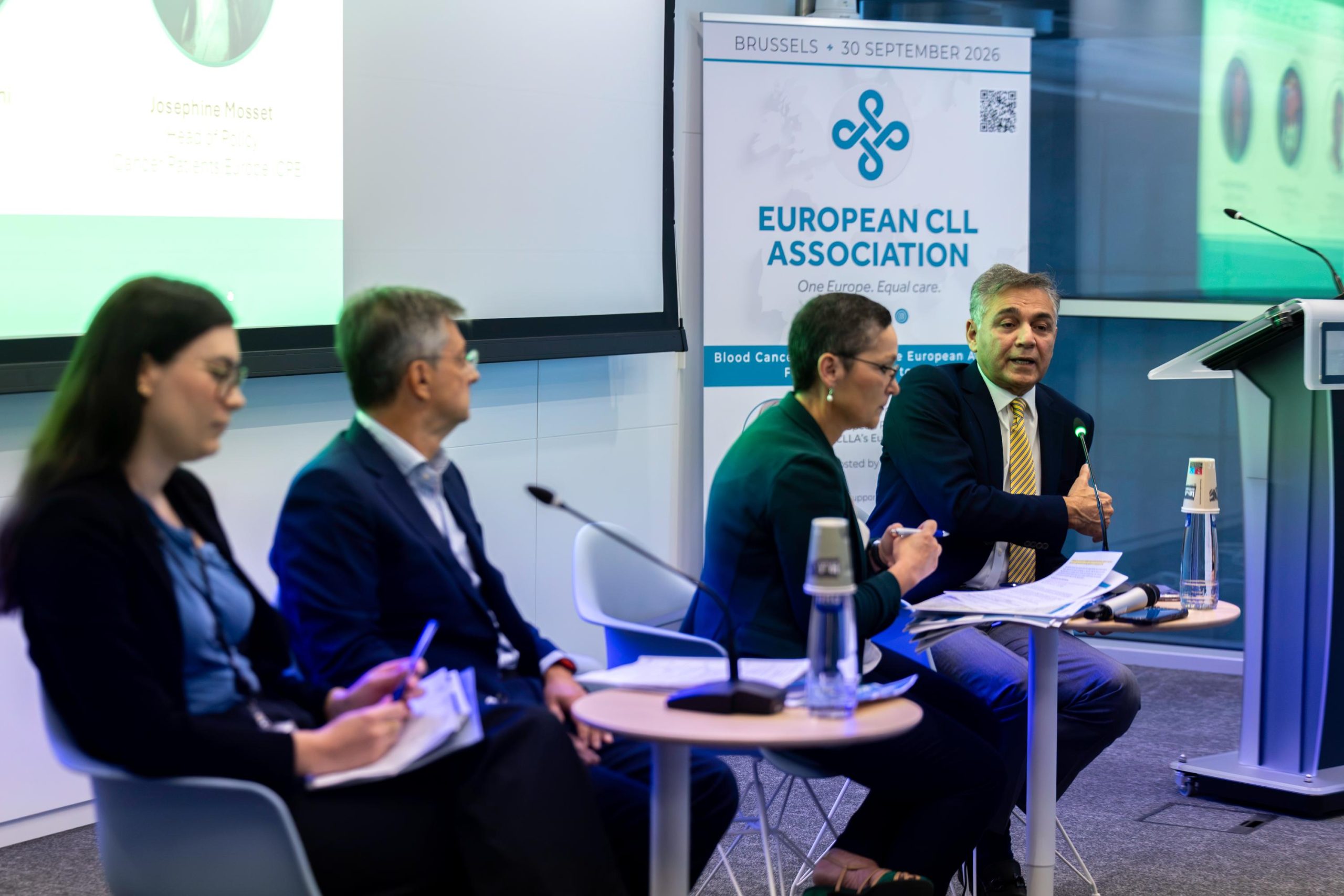
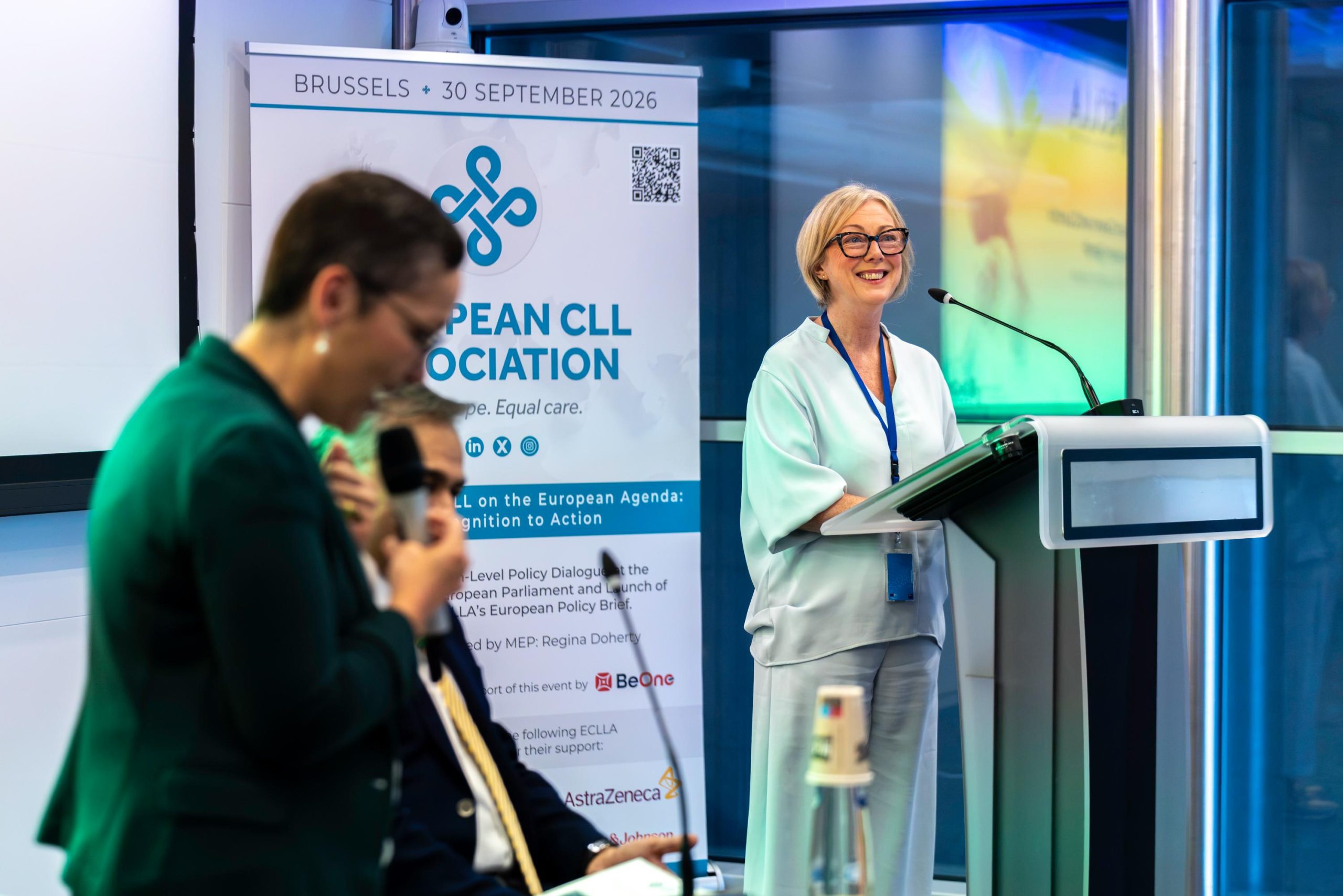
The Brief was formally launched on 30 September 2026 at the European Parliament in Brussels during ECLLA’s high-level policy dialogue, “Blood Cancers and CLL on the European Agenda: From Recognition to Action.”
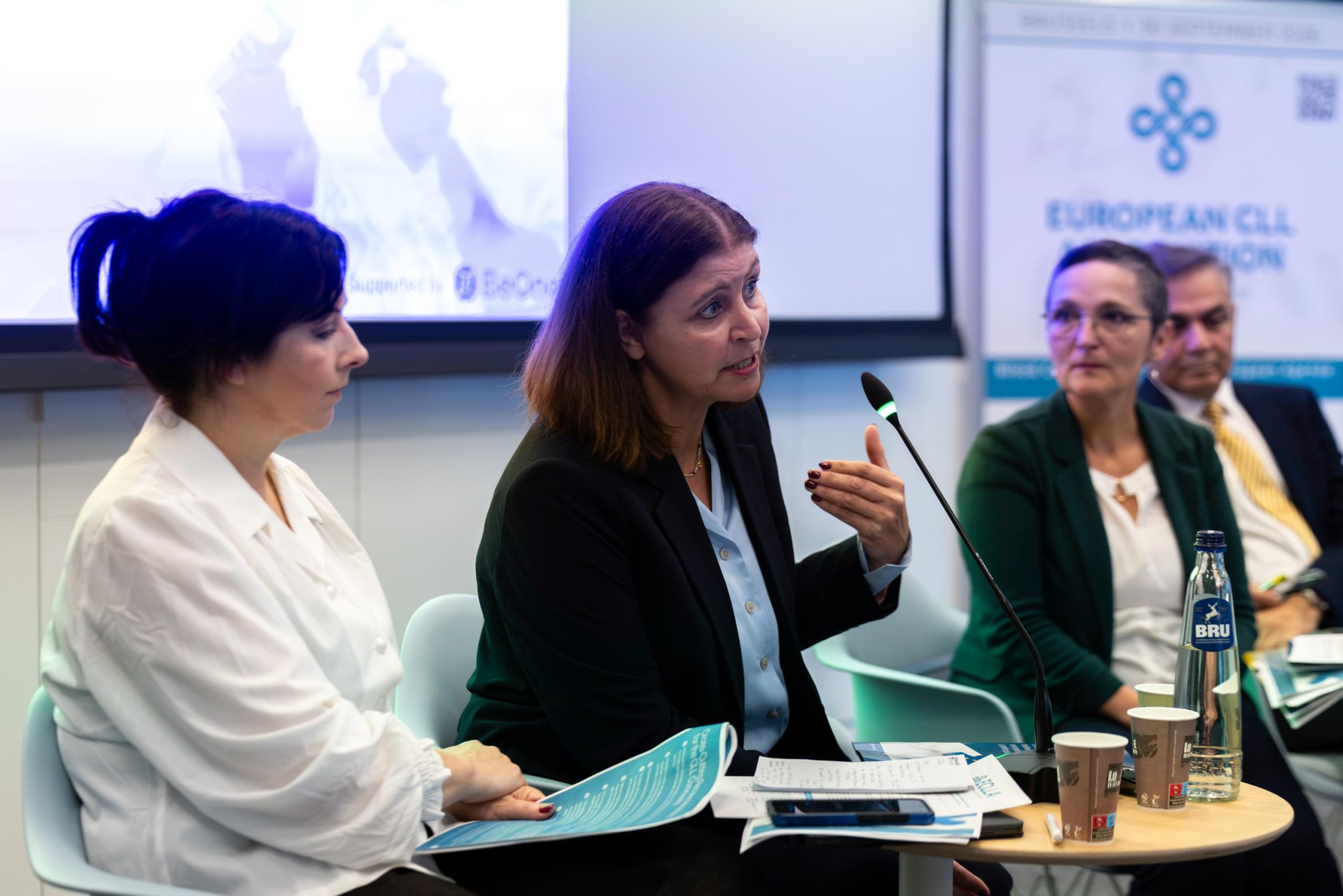
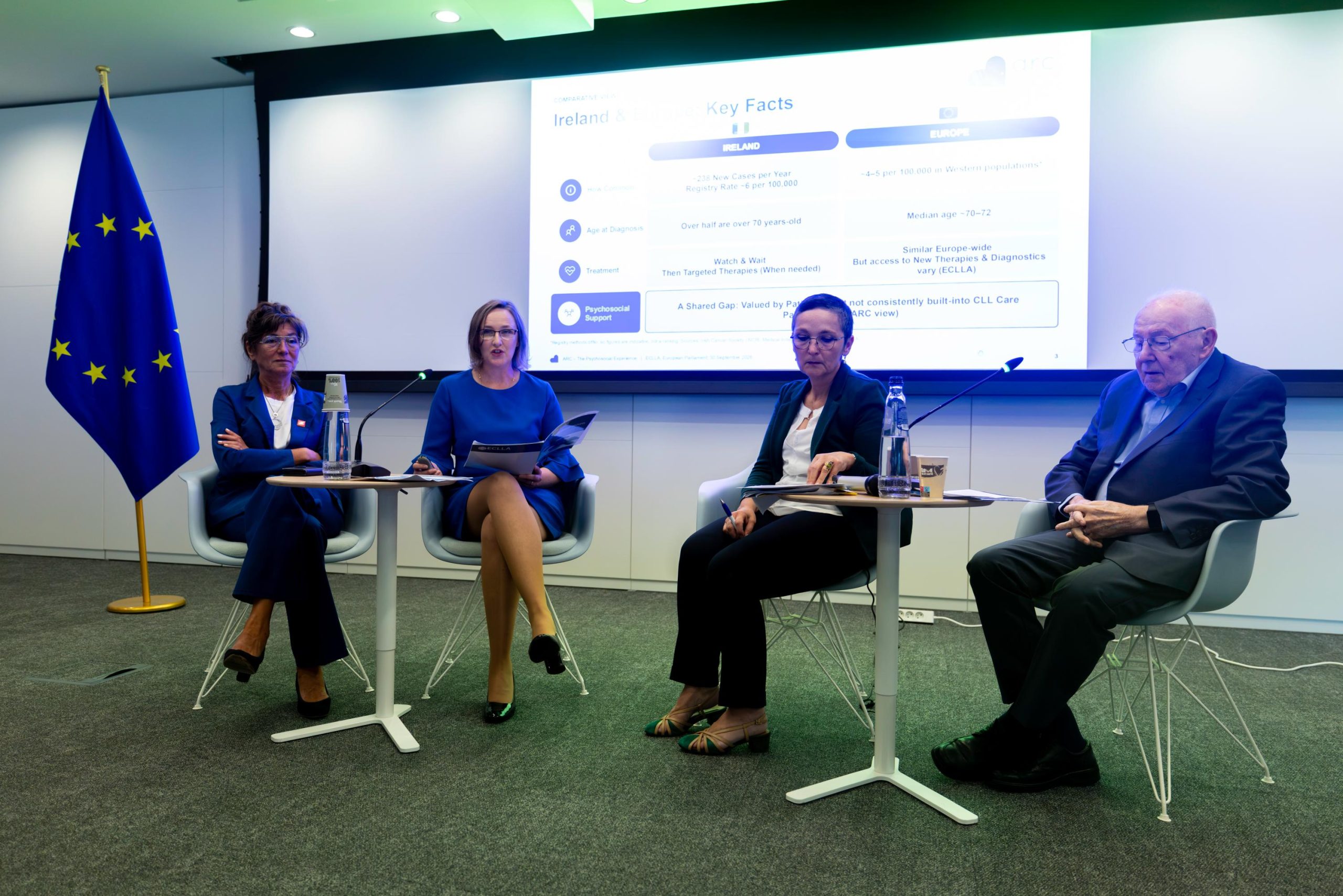
Hosted by MEP Regina Doherty, the event marked an important milestone in ECLLA’s policy work and brought together patient advocates, clinicians, policymakers, cancer organisations, researchers and other stakeholders to discuss how European and national action can improve access to timely diagnosis, appropriate testing, evidence-based treatment, clinical trials and long-term support for people living with CLL.
The ECLLA European Policy Brief 2026 builds on priorities identified through ECLLA’s European Policy Roundtable and wider engagement with the CLL community. It translates these discussions into a set of practical priorities for European and national stakeholders, with a particular focus on reducing inequalities in care and ensuring that where a person lives does not determine the quality of CLL care they can access.
The Brief focuses on four interconnected areas:
- Improving diagnosis and referral, including timely diagnosis, appropriate molecular testing, specialist referral and clearer care pathways.
- Ensuring equitable access to evidence-based care and treatment, with a focus on reducing geographic inequalities across Europe.
- Expanding access to clinical trials and innovation, so that opportunities to participate in research are not determined by geography.
- Integrating psychosocial support throughout the CLL pathway, recognising psychological wellbeing, quality of life, family life and long-term support as important components of high-quality care.
At the centre of the Brief is a simple but important question: how can Europe move from recognising inequalities in CLL care to taking practical action to address them?
Bringing the discussion to the European Parliament
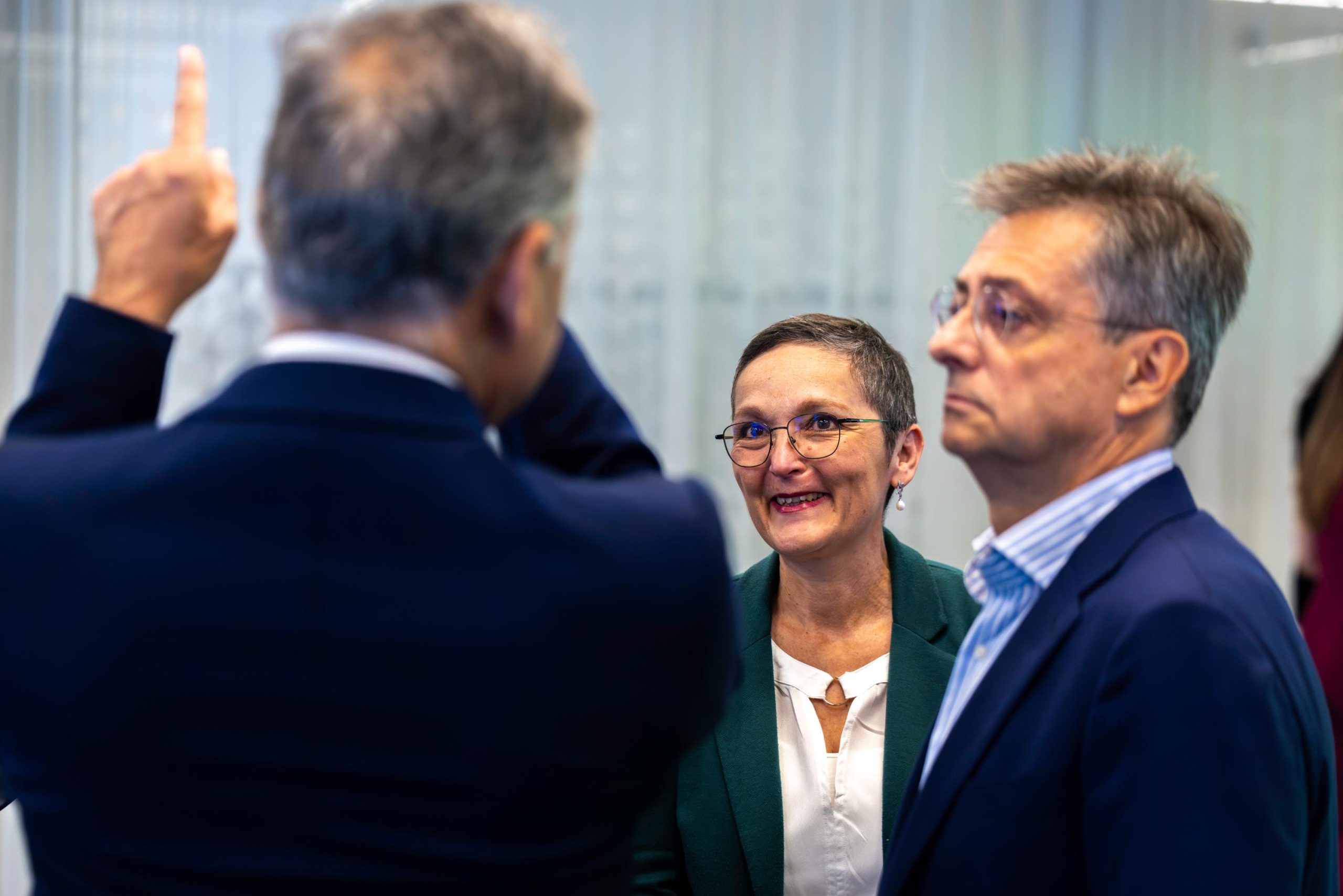
The launch event created an opportunity to examine these priorities from patient, clinical, policy and wider cancer-community perspectives. Discussions explored diagnosis and referral pathways, molecular testing, access to evidence-based treatment and specialist care, clinical trials and innovation, as well as the importance of psychosocial and practical support throughout the cancer pathway. The event also reinforced the importance of ensuring that the experiences and priorities of people affected by blood cancers are reflected in policy discussions and future health-system development.
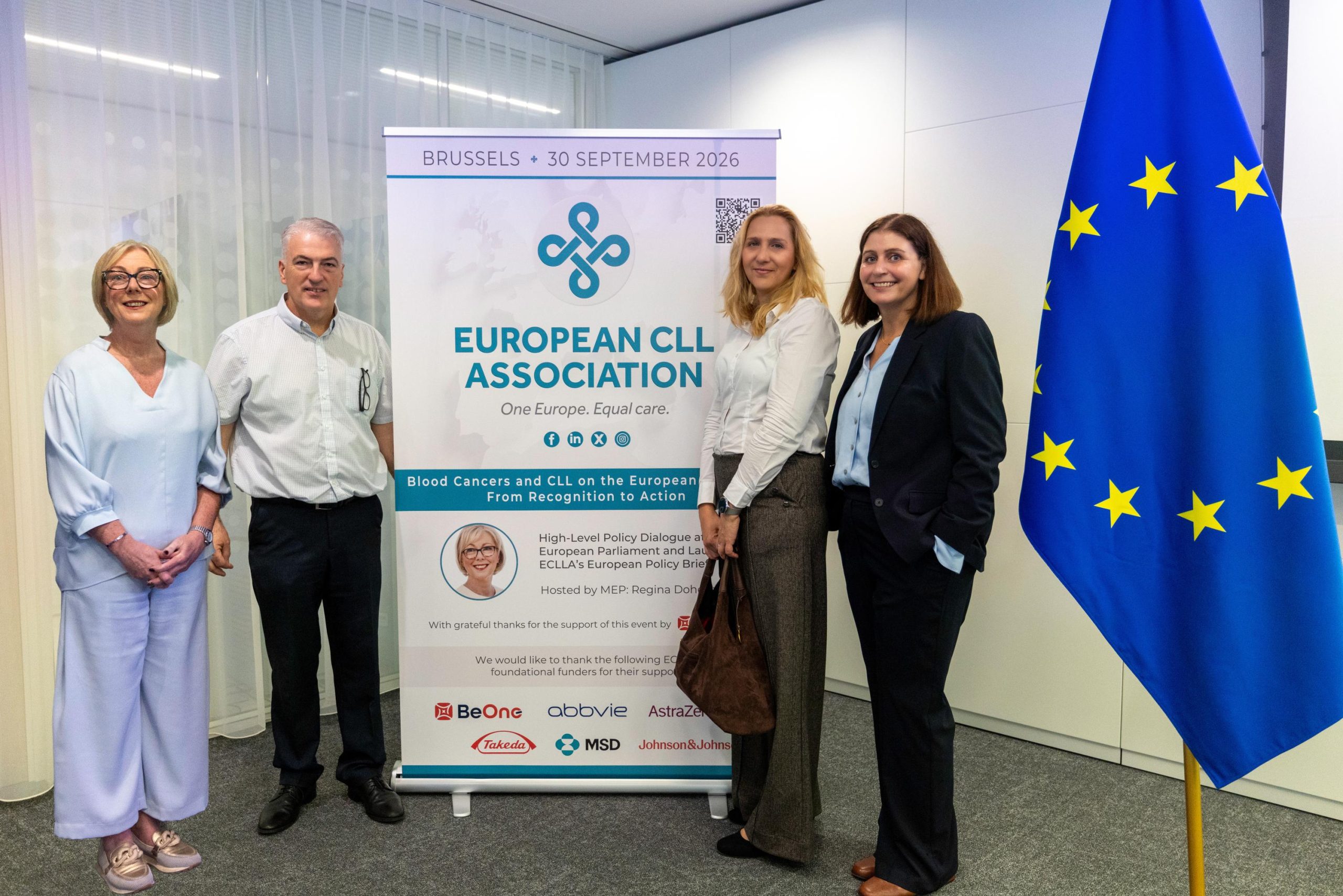
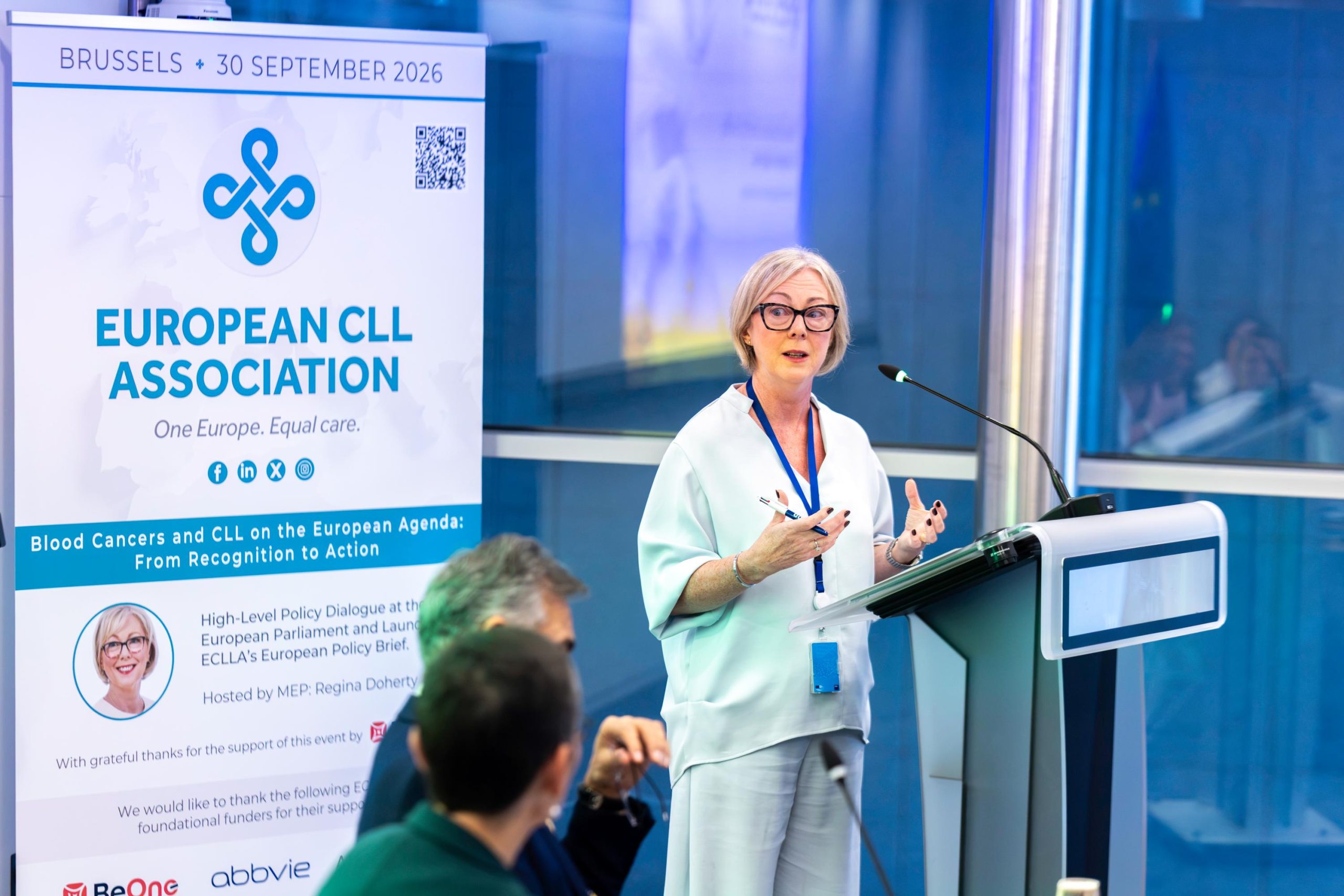
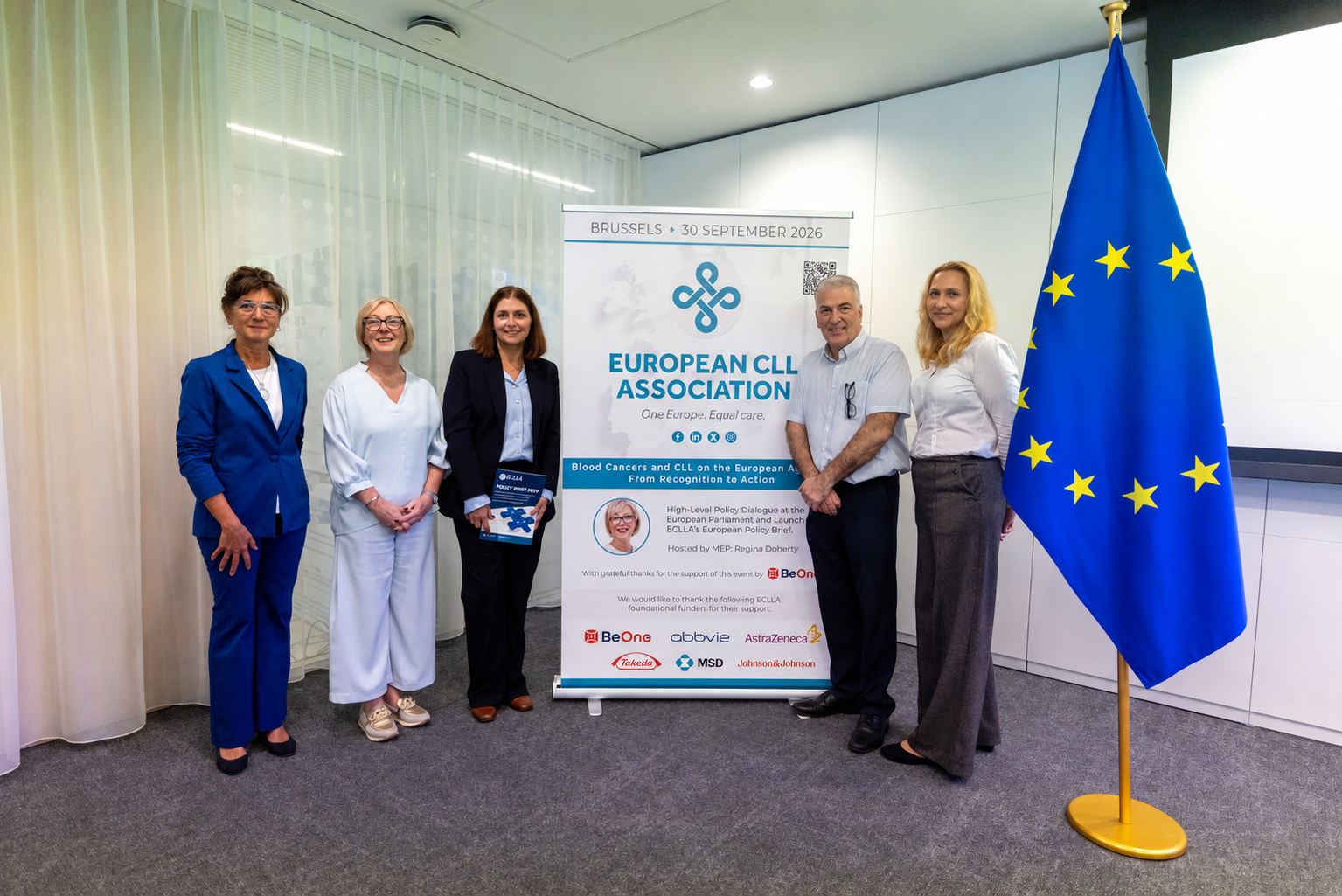
Event Gallery




















Speakers
🔹 Jan Rynne, ECLLA Co-Founder & Association Development Lead
🔹 Victoria Hedley, Rare Disease Policy Manager, Newcastle University
🔹 Dr Amjad Hayat, Consultant Haematologist, University Hospital Galway
🔹 Eduardo Pisani, CEO, All.Can
🔹 Joséphine Mosset-Keane, Head of Policy, Cancer Patients Europe
🔹 Peter Loffelhardt, Founder, Global MPN Scientific Foundation
🔹 Amy Nolan, CEO, ARC Cancer Support Centre
🔹 Ivana Cattaneo, Head of European Government Affairs and Public Policy, BeOne Medicines
From recognition to action
The publication of the ECLLA European Policy Brief 2026 is an important step in ECLLA’s work to support greater equity in CLL care across Europe. The Brief will now provide a foundation for continued dialogue with policymakers, patient organisations, clinicians, researchers and other stakeholders, and for further work aimed at turning shared priorities into practical action.
Acknowledgements
ECLLA sincerely thanks MEP Regina Doherty for hosting this event at the European Parliament and for supporting greater recognition of blood cancers on the European political agenda.
ECLLA gratefully acknowledges BeOne Medicines for supporting the European Parliament event and helping make this important policy dialogue possible.


We would also like to thank ECLLA’s foundational funders for their support of the European Policy Roundtable and the development of the European Policy Brief 2026.
